
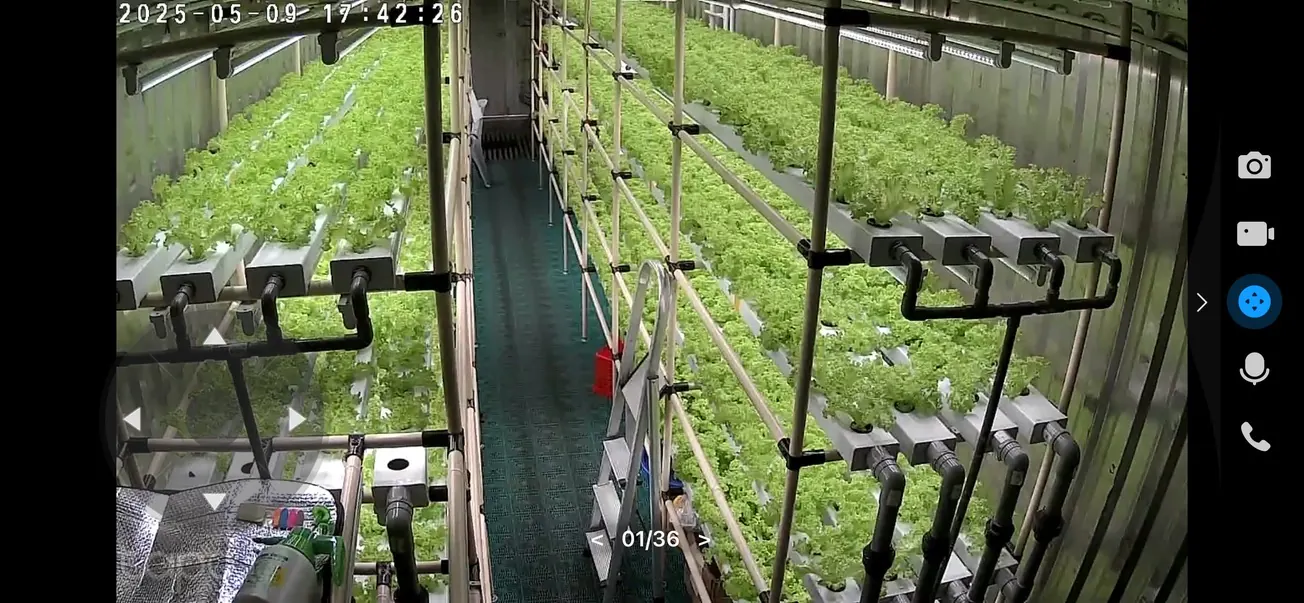
Connecting a farm sensor node and supporting it remotely
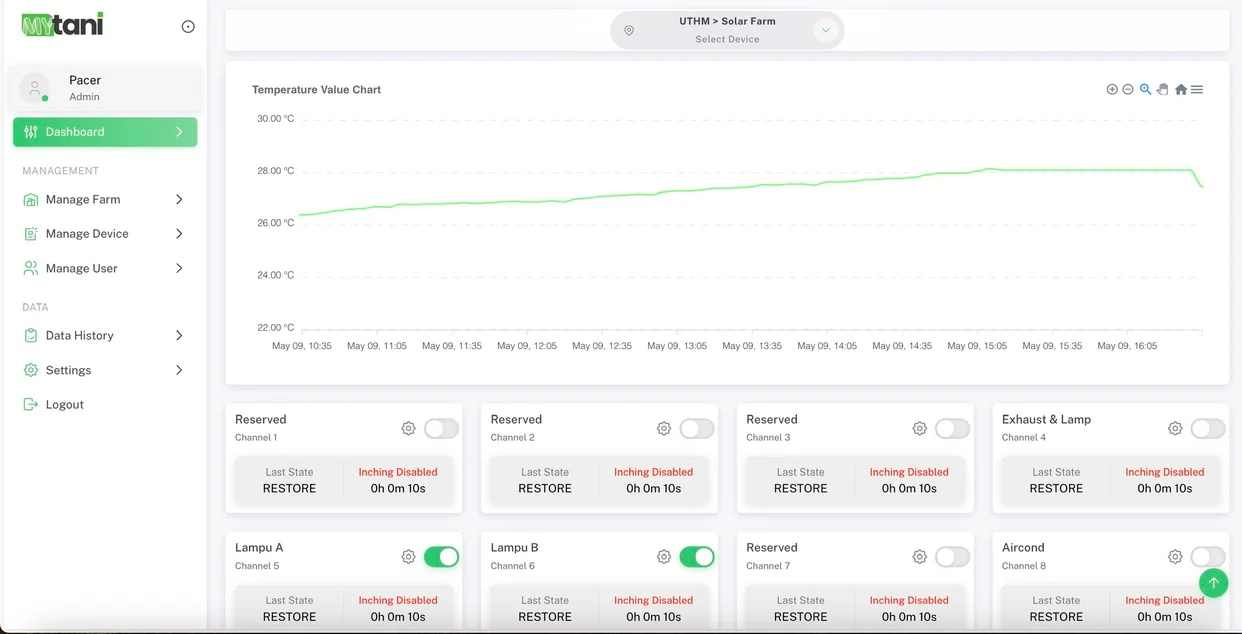
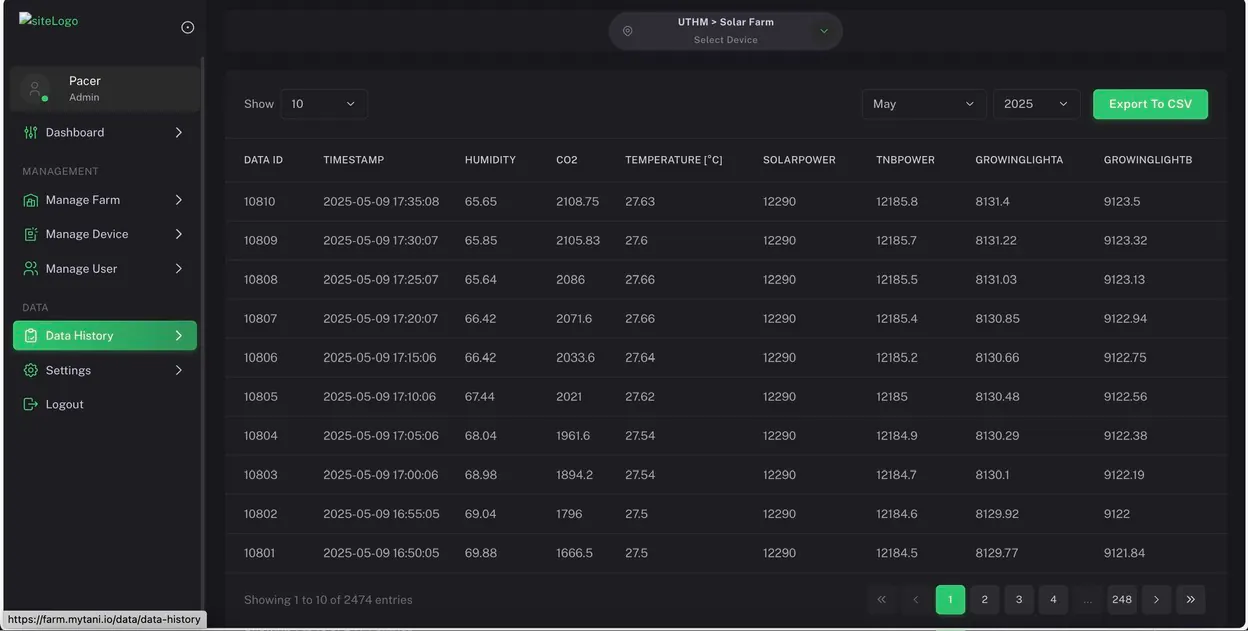
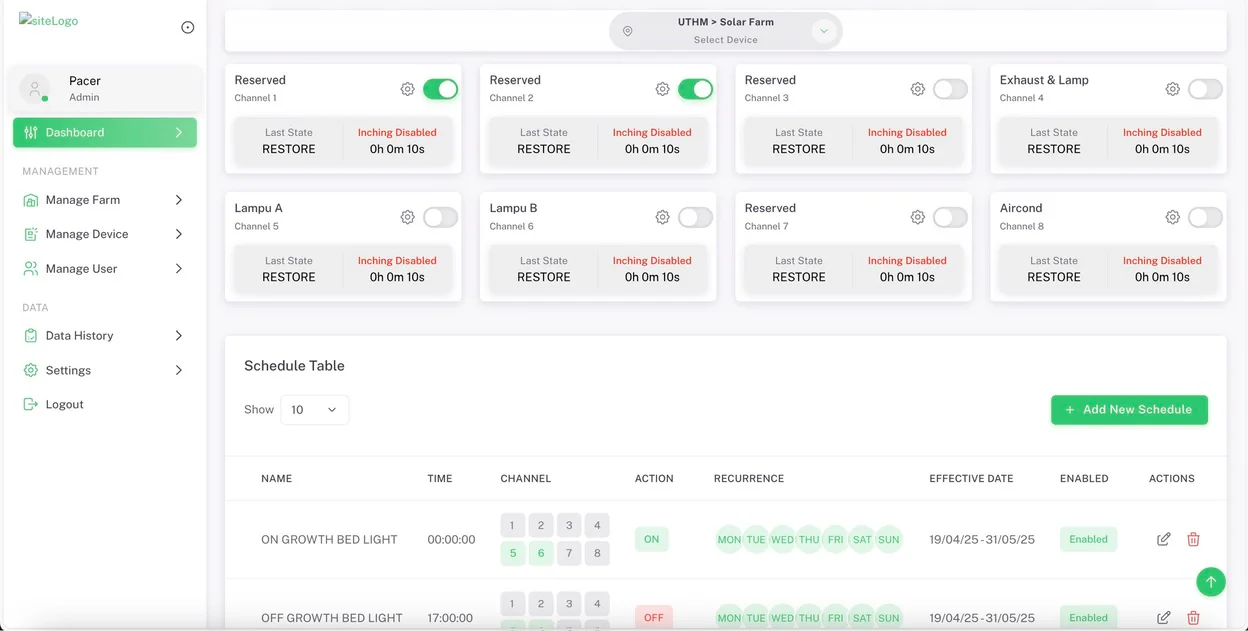
Baztech’s smart-farming integration work includes a Teltonika RUT200 router serving an ESP32-based environmental node. In the described configuration, one node at each site measures air carbon dioxide, temperature and humidity, then sends its readings over Wi-Fi to a local MQTT broker on the router.
The router also provides operational information used during support. Our team retrieves mobile data usage, signal strength and the network provider name through API access. These details help us investigate a connection problem without beginning with an on-site visit to a rural farm.
Remote access forms part of the support approach, including an OpenVPN network used to reach devices for troubleshooting. The sensor application and router configuration must be considered together when defining a new installation.
Plan the data and support requirements
For a similar project, identify the environmental parameters, number of nodes, available power, mobile coverage and the people who need the readings. Include remote maintenance in the scope from the start.
Questions about this integration
Can the router host local MQTT?
The described RUT200 installation used a local MQTT broker. Package availability and configuration should be checked against the selected RutOS version.
Does local MQTT guarantee operation during an internet outage?
Local messaging and autonomous control are separate requirements. Any offline control or data-retention behaviour needs to be specified for the application.