
Let students focus on programming
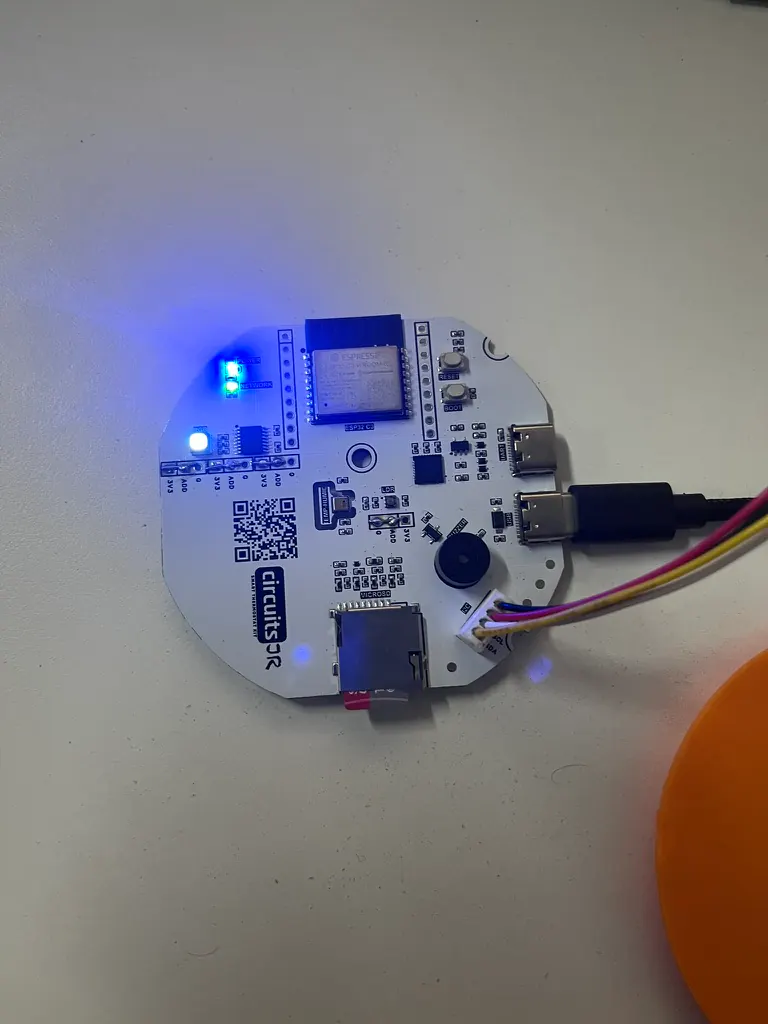
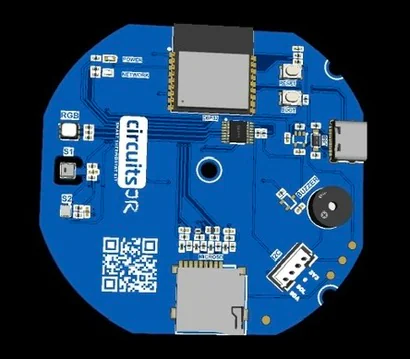
Baztech’s educational board work includes an ESP32-C3-based Circuits Jr design with sensors and peripherals already connected on the board. The smart-thermostat learning example includes an I2C temperature and humidity sensor, a light sensor, an RGB LED, an SD-card data-logging interface and a buzzer.
This arrangement allows students to work on reading sensors and controlling outputs without building the initial sensor wiring for each exercise. The board is programmed over USB using a compatible online IDE that supports MicroPython.
Plan lessons around the connected hardware
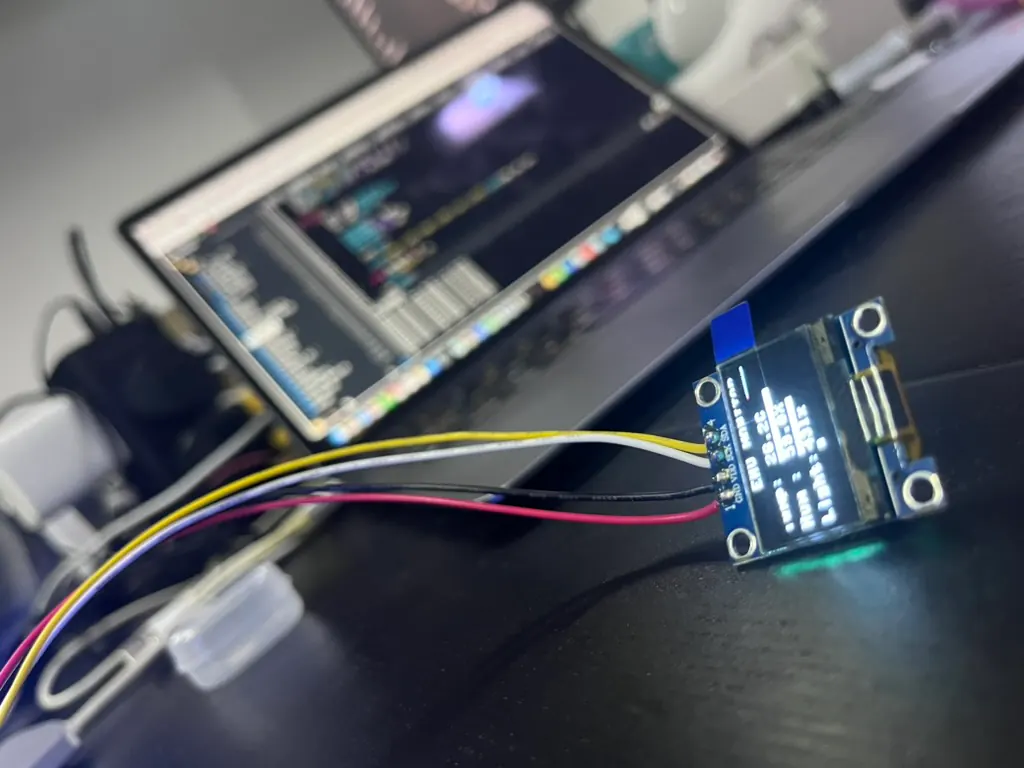
Possible learning activities include displaying a sensor reading, changing an RGB indication, sounding an alert and recording measurements. The lesson scope should match the board revision, installed firmware and the chosen IDE’s capabilities.
For a custom educational-board enquiry, share the target learner level, sensors, outputs, classroom setup and quantity requirement. These details help define both the electronics and the programming workflow.
Questions about this integration
Does it eliminate every wire?
The sensing components are connected on the board, while USB is still used for the described programming workflow.
What should a school specify for a custom kit?
State the learner level, programming environment, required sensors and outputs, and the activities the kit should support.